What is an Osteochondral Defect (OCD)?
An osteochondral defect (OCD) is a condition where there is damage to the articular cartilage and the underlying bone (subchondral bone) within a joint. Dr. Catherine Logan discusses this and more...

An osteochondral defect (OCD) is a condition where there is damage to the articular cartilage and the underlying bone (subchondral bone) within a joint. Dr. Catherine Logan discusses this and more...
Catherine Logan, MD and Dr. Brian Cole osteochondral allograft transplantation, and specifically how basic science research can and should impact your clinical practice.

Overall, grit plays a critical role in ACL recovery by influencing an individual's mindset, behaviors, and outcomes throughout the rehabilitation process.

Recovery nutrition plays a crucial role in replenishing energy stores, repairing muscle tissue, and supporting overall recovery after a workout.

Researchers recently investigated grit in relation to outcomes following ACL surgery. Grit is the disposition to strive for long-term goals despite setbacks and challenges.
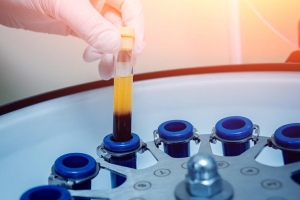
Although blood is mainly a liquid (called plasma), it also contains small solid components (red cells, white cells, and platelets). The platelets are best known for their importance in clotting blood. However, platelets also contain hundreds of proteins called growth factors that are very important in the healing of injuries.
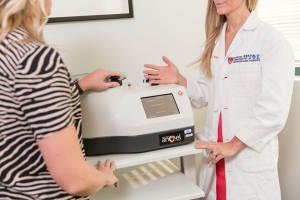
Brian Cole, MD and colleagues at Rush Medical Center sought to evaluate the efficacy of platelet-rich plasma (PRP) combined with hyaluronic acid (HA) injections versus HA injections alone for the management of knee osteoarthritis (OA).

Supplements can help enhance tissue repair, but only when you have great foundational nutrition - meaning, a well-balanced diet full off both macro and micro nutrients, are well hyderated and you pay attention to the timing of supplements.
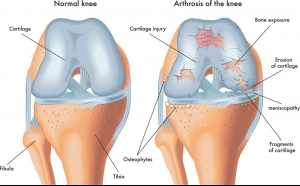
Articular cartilage of the knee can be damaged by injury or by typical wear and tear. Unfortunately, cartilage does not heal on its own, so multiple surgical techniques have been developed to treat cartilage lesions.
We return today with Dr. Brett Owens to shift our discussion of MCL tears on to the treatment of isolated and combined MCL injuries, then wrap up with a discussion on safe return to play.



