
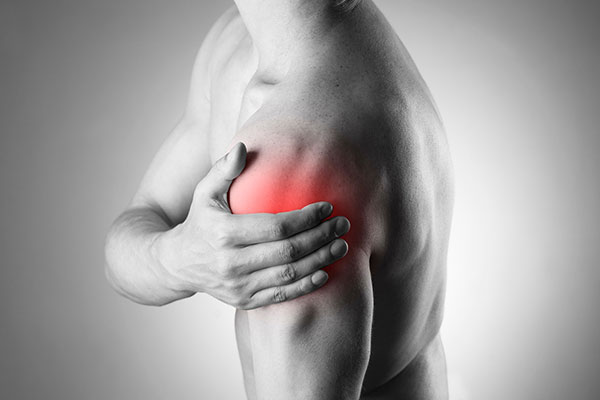
Your shoulder shouldn't be the reason you stop doing what you love.
Maybe you've noticed shoulder pain when lifting weights. Perhaps your tennis serve isn't what it used to be, your golf swing has become uncomfortable, or reaching overhead suddenly feels harder than it should.
It's easy to dismiss shoulder pain as a normal part of aging, overuse, or simply being active.
But sometimes, that persistent discomfort is a sign of something more significant: a rotator cuff tear.
At Joint Preservation Center in Denver, Colorado, we believe that staying active is an essential part of living well. Our goal isn't simply to treat your shoulder pain. It's to help you preserve your shoulder function, maintain your independence, and keep doing the activities you love.
What Is a Rotator Cuff Tear?
Your rotator cuff is a group of four muscles and their tendons that surround your shoulder joint. Together, they stabilize the shoulder and help you lift, rotate, and control your arm.
Rotator cuff tears are common, particularly as we age. They can develop gradually from tendon degeneration or occur suddenly following an injury.
Common symptoms include:
- Shoulder pain with lifting, reaching, or overhead activities
- Pain at night, especially when sleeping on the affected shoulder
- Weakness when lifting or rotating your arm
- Difficulty reaching behind your back
- Reduced performance in sports or recreational activities
- Persistent shoulder discomfort that doesn't improve with rest
Not every shoulder ache means you have a rotator cuff tear. But when symptoms persist, understanding the underlying cause is important.
Why You Shouldn't Ignore a Rotator Cuff Tear
Here's something many patients don't realize: some rotator cuff tears can become larger over time.
While not every tear progresses, research has demonstrated that a proportion of degenerative rotator cuff tears enlarge over time, sometimes accompanied by increasing pain and muscle changes.
Why does this matter?
- Small Tears Can Become Larger
A partial-thickness tear may remain stable, but some tears progress to full-thickness tears. Existing full-thickness tears can also enlarge. As tears increase in size, the tendon may retract farther from its attachment on the bone. This can make future treatment more complex.
- Muscle Quality Can Change
When a rotator cuff tendon remains torn, the associated muscle may gradually develop atrophy and fatty infiltration. These changes can affect shoulder strength and function and may reduce the likelihood of successful tendon healing if surgery becomes necessary. Not every tear develops these changes, but they are important considerations when deciding whether continued observation is appropriate.
- Your Active Lifestyle May Gradually Become More Limited
Rotator cuff tears don't always cause dramatic symptoms initially. Instead, you may notice subtle changes:
- You stop lifting certain weights at the gym.
- You modify your golf swing to avoid discomfort.
- You avoid overhead shots in tennis or pickleball.
- You struggle to lift your skis or luggage overhead.
- You begin waking up at night because of shoulder pain.
Over time, these small adjustments can significantly affect your quality of life.
You shouldn't have to continually modify your lifestyle around shoulder pain without understanding your options.
Does Every Rotator Cuff Tear Require Surgery?
Absolutely not.
One of the most important aspects of rotator cuff treatment is recognizing that not every tear requires an operation. Many patients with partial-thickness tears and selected degenerative full-thickness tears can improve with nonsurgical treatment.
Depending on your symptoms, tear characteristics, activity goals, and examination, treatment may include:
- Targeted physical therapy to improve shoulder strength and mechanics
- Activity modification while maintaining overall fitness
- Appropriate medications or injections for symptom management
- Monitoring symptoms and, when indicated, tendon integrity over time
However, not all rotator cuff tears should be treated the same way.
A small degenerative tear in a patient with minimal symptoms is very different from an acute traumatic full-thickness tear in an active individual who suddenly develops weakness. Certain tears, particularly acute traumatic tears with substantial weakness, deserve prompt evaluation because delaying treatment may affect repair options.
The key is understanding your specific injury before making a treatment decision.
Staying Active Is the Goal — Not Just Eliminating Pain
At Joint Preservation Center, we approach rotator cuff injuries through the lens of joint preservation and long-term performance.
Our philosophy is simple: We want to help you return to the activities you love, not just get through your daily routine.
For some patients, that means returning to competitive sports. For others, it means skiing with their family, playing 18 holes of golf, swimming, lifting weights, or simply sleeping comfortably again. Your treatment plan should reflect your goals.
When Surgery Is the Right Option
For patients who benefit from surgery, Dr. Catherine Logan specializes in minimally invasive arthroscopic shoulder procedures designed to restore tendon function and preserve the shoulder joint.
Depending on the injury, surgical techniques may include:
- Arthroscopic rotator cuff repair: Reattaching the torn tendon to bone through small incisions.
- Double-row repair techniques: Using fixation constructs designed to restore the tendon footprint and provide secure fixation when appropriate.
- Patch augmentation: Reinforcing selected repairs when tendon quality or tear characteristics warrant additional support.
- Complex and revision rotator cuff repair: Addressing larger, retracted, or previously repaired tears using individualized surgical strategies.
The appropriate approach depends on tendon quality, tear size, tissue mobility, and your individual goals.
Recovery Should Prepare You for Your Life — Not Just a Checklist
Rotator cuff recovery doesn't end when your pain improves or your physical therapy sessions are complete.
If your goal is returning to tennis, golf, skiing, strength training, or competitive sports, your rehabilitation should prepare you for those demands.
At Joint Preservation Center, we emphasize a comprehensive recovery process that may include:
- Individualized postoperative rehabilitation protocols
- Progressive restoration of mobility and strength
- Objective shoulder strength testing
- Functional movement assessment
- Sport-specific progression when appropriate
- Return-to-activity decisions based on healing, function, and readiness
Through our Performance Lab, we can use objective strength and movement assessments to better understand recovery and guide progression.
Because returning to activity should involve more than simply waiting a certain number of months.
When Should You See a Shoulder Specialist?
Consider scheduling an evaluation if:
- Your shoulder pain has persisted for several weeks despite appropriate self-care.
- You experience weakness with lifting or overhead movements.
- You have persistent nighttime shoulder pain.
- You've had an injury followed by sudden weakness or loss of function.
- You've been diagnosed with a rotator cuff tear but aren't sure whether surgery is necessary.
- Your shoulder symptoms are preventing you from enjoying your favorite activities.
Sudden, substantial weakness after a fall or other injury warrants more urgent assessment.
An evaluation doesn't commit you to surgery. It gives you the information you need to make an informed decision.
Don't Let Shoulder Pain Decide What You Can Do Next
A rotator cuff tear doesn't automatically mean the end of your favorite activities. But ignoring persistent pain or weakness can mean missing an opportunity to identify and address a problem before it becomes more complicated.
Whether your goal is getting back on the golf course, returning to the gym, skiing another season, or simply lifting your grandchild without pain, your shoulder deserves a personalized plan.
At Joint Preservation Center, Dr. Catherine Logan and our team focus on preserving your joints, restoring function, and helping you maintain an active lifestyle.
Don't wait until shoulder pain starts making decisions for you.
Ready to Get Back to What You Love?
If you're experiencing shoulder pain, weakness, or have already been diagnosed with a rotator cuff tear, schedule a consultation with Dr. Catherine Logan at Joint Preservation Center in Denver, Colorado.
We'll help you understand your injury, review your treatment options, and develop a plan aligned with your lifestyle and goals.
Joint Preservation Center | Denver, Colorado
This article is intended for educational purposes and does not replace an individualized medical evaluation. Treatment recommendations depend on examination findings, imaging, symptoms, and patient-specific factors.


